For Substance Use Disorder (SUD), Opioid Use Disorder (OUD), and Behavioral Health Conditions
A Groundbreaking Solution for SUD/OUD Recovery & Behavioral Health
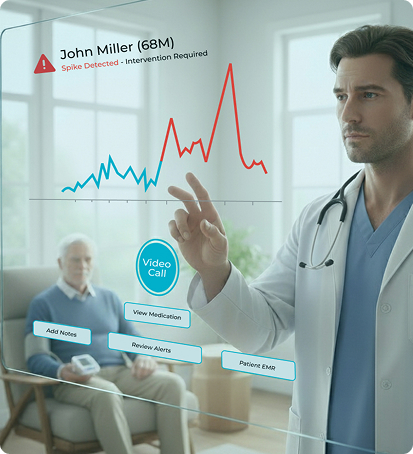
People dealing with substance use disorders, anxiety, depression, and chronic stress face unique and complex challenges that require comprehensive, compassionate care. VeeOne Health’s Remote Patient Management Program provides care teams with continuous visibility into patients’ physiological and behavioural data, supporting coordinated, compassionate care for people in recovery. By aggregating wearable sensor data and patient-reported information in one place, the platform gives Peer Recovery Support Specialists (PRSS) and clinicians the information they need to stay connected to their patients and provide timely, personalised support.
AI-Powered Technology Meets Human Connection
What sets VeeOne Health apart is our unique integration of cutting-edge artificial intelligence with the irreplaceable human touch of certified Peer Recovery Support Specialists. AI-assisted monitoring continuously processes physiological data and surfaces notable patterns to the care team for review. PRSS and clinicians use this information to stay informed about each patient’s status — enabling earlier, more personalised conversations and proactive outreach. Technology supports the human connections that are essential to recovery; it does not replace them.
Our Mission
To break the cycle of addiction, improve recovery outcomes, support mental wellness, and transform lives through innovative technology and compassionate human care.
Core Features of
VeeOne’s Program
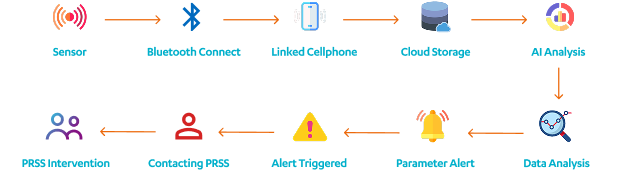
Continuous Monitoring: Wearable sensors track key physiological parameters including heart rate, respiratory rate, and heart rate variability (HRV) 24/7 to detect signs of distress, cravings, or anxiety.
Care Team Notifications: When physiological data patterns fall outside configured thresholds, PRSS receive a prompt notification so they can review the patient's status and determine whether outreach is appropriate.
Physiological Monitoring: The platform continuously monitors respiratory and cardiovascular metrics and surfaces significant changes to the care team for immediate clinical review. Location data may be shared with the care team to support their response coordination.
Holistic Integration: Seamlessly aligns with existing mental health and addiction services for a comprehensive, coordinated care strategy that addresses all aspects of recovery.
How Does It Work?
Advanced Technologies: VeeOne’s Integration
With leverage of vital sign monitoring devices and mood tracking capabilities, VeeOne maximizes system effectiveness through advanced sensors that continuously track vital signs and stream real-time data to VeeOne’s analytics platform powered by artificial intelligence. This integration enables:
This integration enables:
Behavioral Health Monitoring: The platform tracks physiological and behavioral data patterns that may be associated with emotional distress or craving states, and notifies PRSS so they can initiate a supportive check-in at their discretion.
Emergency Coordination Support: When care teams identify a patient in need of emergency support, the platform provides location data to assist their coordination. All emergency response decisions are made by the care team.
Proactive Interventions: Facilitates timely care to prevent relapse and improve long-term recovery outcomes.
Comprehensive Support for Behavioral Health Conditions
Individuals battling mental health challenges are particularly vulnerable to substance use disorders. VeeOne’s program extends its benefits to this population by proactively addressing mental health crises alongside addiction recovery.
Key Advantages for Comprehensive Care
Preventive Measures
Continuous monitoring of physiological data gives care teams early visibility into patient status changes
AI-assisted analysis surfaces notable patterns for care team review, supporting earlier and more informed patient conversations
Care coordinators are notified promptly so they can proactively engage patients before situations escalate
Better Long-Term Outcomes
Supports resilience and sustained recovery in mental health patients
Data-driven insights inform personalized care plans